After the water drops, leave the switches and pilot lights alone
After a flood, do not relight, restart or switch on anything that sat in water. If you smell gas, leave the building first. Keep generators outside, stay away from wet electrical equipment, and have a licensed professional inspect flooded gas and plumbing equipment before anyone uses it.
Compiled from the sources listed at the end. Sources checked .
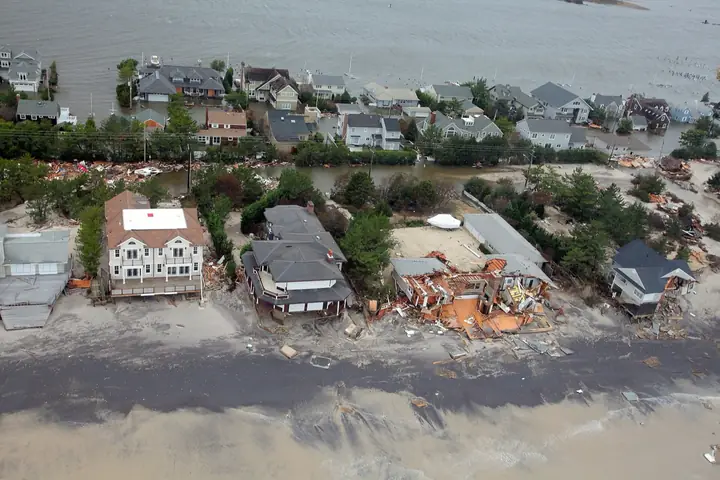
For houses raised or built up on pilings, in all our towns.
Why leave first if you smell gas?
Because the utility and the state both put getting out ahead of everything else. New Jersey Natural Gas says to evacuate everyone immediately and call from a safe location, and not to use phones of any kind on the premises. The state's Department of Community Affairs says that if the odor is strong, "leave the premises on foot and dial 911 from a cellphone." The two agree on the order, and that order is the part to remember. We could not confirm which gas utility serves each part of Ocean County, so check your bill.
Can you relight a heater or furnace that got wet?
No. Do not relight or restart a water heater, furnace, boiler or other gas appliance that has been in floodwater, and do not run electric ones either. Have a licensed professional inspect it first, and call your gas utility about the gas service. This is a place where a raised house can fool you: the living floor looks fine while the equipment at the lower level sat under water. Our water heater story covers where a replacement should go.
Gas lines, meters and regulators are for the utility and licensed people, with no exceptions in this site.
Where can the generator go?
Outside, always. EPA's flooding page wants generators "outside well away from doors, windows, and vents," and never inside homes, garages, crawlspaces or sheds. The enclosure under a raised house is a garage or a crawlspace by another name, even with flood openings in its walls. Do not run one there, or on a stair landing beside a door.
Is the power safe to touch?
Treat it as live and leave it. Ready.gov warns against touching electrical gear that is wet, or any of it while you stand in water. A breaker check is fine only if you can reach the breaker in the dry, never from standing water. Anything beyond that, including wet panels, outlets or wiring under the house, is for a licensed electrician.
What about the drains and the sewer?
Stop using them if sewage is backing up, stay clear of the sewage, and get a licensed plumber. FEMA's P-348 says drain piping can carry floodwater, and a backwater valve on the lateral is one protection worth asking about later. Do not try to open or clear a sewer line in the middle of a flood.
If you are on septic, EPA's flood page says to hold off on the sewage system until water in the drain field has dropped below the level around the house. It also warns against pumping while the field is flooded, since an empty tank could lift out of the ground. See septic after a flood.
Stay out of any tank or pit and do not lean over one. Hydrogen sulfide exposure is a hazard of septic tank work, OSHA says, and such work counts as confined space. Gases there can kill. Pump-outs and repairs are for licensed people.
What about a well?
Leave the pump off until its wiring has passed a check by a qualified electrician, or by a contractor who works on wells and pumps. EPA's warning cites the danger of electrical shock. EPA names a well or pump contractor as the first choice to disinfect, and it sends owners to the local health department for testing afterward. It treats wells over 10 years old or under 50 feet deep as likely contaminated even when nothing looks damaged. Drink none of it until a test says so. The rest is in our well story.
What about town water and the lines under the house?
Follow your water utility's notices, and leave its valves in the street alone. If a line under the house is broken or leaking, close your own main valve if the spot is dry, and call a licensed plumber. Look for lines that were knocked loose from their straps or bent, and describe what you see from a safe distance. If you are on the bay side, the lagoon story on high water goes further.
| Thing | First move | Who comes next |
|---|---|---|
| Gas smell | Leave, then call from outside | 911 or your gas utility |
| CO alarm | Everyone outside, then 911 | Responders |
| Generator | Outside, well away from openings | No one; keep it out there |
| Wet electrical | Do not touch | Licensed electrician |
| Flooded heater or furnace | Do not relight or restart | Licensed professional, gas utility |
| Well pump | Do not turn on | Electrician or well or pump contractor |
| Septic | Do not use until the field drains | Licensed septic professional |
| Sewage backup | Stop using drains, stay clear | Licensed plumber |
EPA flood pages (well wording updated Oct 2024), Ready.gov, NJNG and NJ DCA (2015), read in 2026; the heater line is this site's own
Also asked
Should I take photos of the flooded equipment?
Photos taken from a safe spot, with no wading in standing water near electrics, cost nothing and help when you describe the damage to a professional. Your insurance agent can say what else to keep.
The appliance looks dry now. Is it safe to start?
Looking dry is no test of the insides. If water reached it at any point, have a licensed professional inspect it before use. Photograph it from a safe spot, so the person knows how far up the water came.
Will the septic tank be damaged?
EPA says flooding usually leaves a below-ground tank undamaged, though silt can fill it. Have it professionally inspected if you suspect damage, and let licensed people do any opening of it.
Do I need a permit to replace flood-damaged equipment?
Ask the construction office before signing anything. Emergency work may start with notice, followed by an application within 72 hours, under N.J.A.C. 5:23-2.14. Our permit story has more.
Who to ask
- 911: a gas smell or a carbon monoxide alarm, called from outside.
- New Jersey Natural Gas or your gas utility: leaks and gas service.
- A licensed electrician: wet panels, outlets or wiring.
- A New Jersey licensed master plumber: flooded heaters, broken lines, sewage backups.
- Ocean County Health Department: well testing and septic questions.
- Your municipal construction office: permits for replacements.
Where this comes from
- New Jersey Natural Gas, Smell Gas - evacuate, no phones or switches, call from a safe location, no re-entry until cleared.
- NJ Department of Community Affairs release, Feb. 27, 2015 - leave on foot and dial 911 if the odor is strong.
- EPA, Flooding - generators.
- Ready.gov, Floods - wet electrical equipment.
- EPA, What to Do With Your Private Well After a Flood, updated Oct 2024 - pump, wiring, disinfection by a contractor, older and shallow wells.
- EPA, Septic Systems: What to Do After the Flood - field, tank, testing before drinking.
- OSHA, Hydrogen Sulfide in Workplaces - septic tank work.
- FEMA P-348, 2017 - drain piping and backwater valves.
- NOAA National Hurricane Center, Sandy report - Ocean County storm tide.
- N.J.A.C. 5:23-2.14 - emergency work (text on Cornell's Legal Information Institute).