Where the street ends at the water, the pipes need a second look
Owners on a lagoon or the bay share an address close to water that does not always stay put. In Sandy, on October 29, 2012, the National Hurricane Center put the storm tide at 3 to 5 feet above ground in Ocean County. Sewer laterals, service lines, drains and anything mounted low all take the consequences of a lot like that. Readers here want to know which parts of that are theirs to deal with, and which belong to a utility or a town.
These pages cover what differs about plumbing on a lagoon lot, what New Jersey's sea-level figures imply for drains and valves, and how the 75-square-mile estuary out back takes in nitrogen from the land around it. We name the gauge or the report behind each number, and we say so where no local figure exists.
Sources checked .
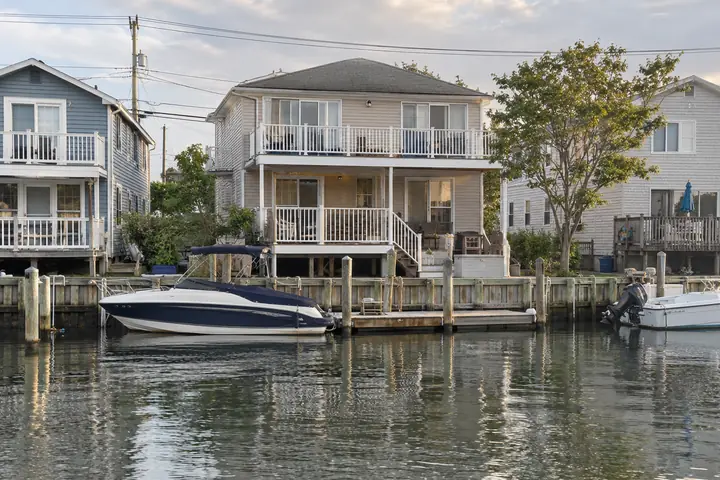 StoryOn a lagoon lot, the low parts of the plumbing take the hits
Lagoon house plumbing differs from an inland house's in three places: equipment set low, the sewer lateral, and service lines in ground that floods.
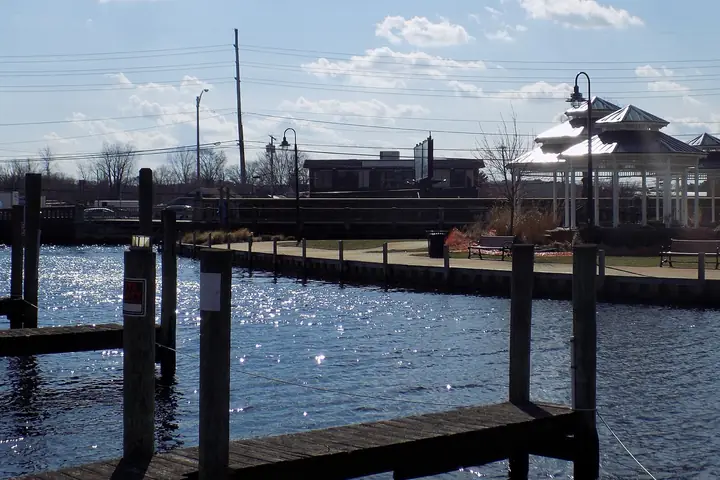 StoryAs tides rise, low drains and valves are where a house feels it
Sunny-day flooding reaches a house's pipes first at the low points: floor drains, the sewer lateral, valves and flood openings.
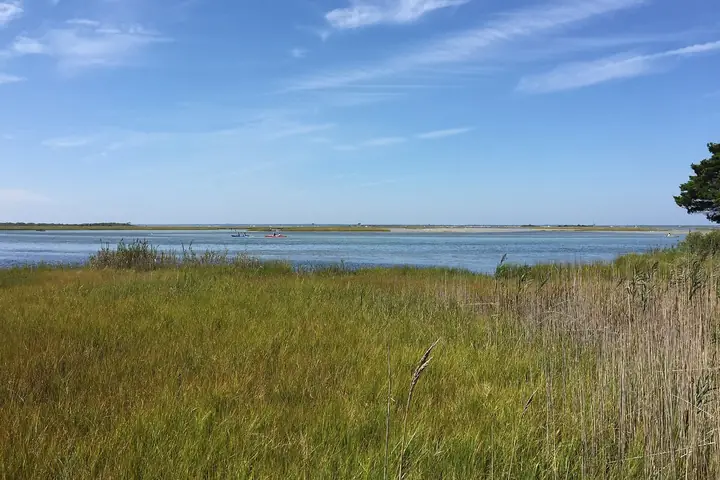 In briefA shallow bay and the more than 600 square miles draining into it
Barnegat Bay at a glance is a 75-square-mile estuary of three shallow bays, Barnegat Bay, Manahawkin Bay and Little Egg Harbor, stretching more than 42 miles and draining a watershed of more...