For houses that get a water bill
Being on town water here can mean very different things. Lacey MUA pumps from three named aquifers, Barnegat Township from one, and Brick Township MUA draws on the Metedeconk River as well as wells nearly 2,000 feet deep. Each supplier publishes an annual report, and that report is the one document every customer should know how to read.
These stories cover what those reports say and what they leave to you: a PFAS notice in the mail, a letter about the service line, the point where the utility's pipe stops. We could not find Veolia's report for Toms River, and Stafford's report is not quoted either. If your own copy says something this site does not, trust your copy.
Sources checked .
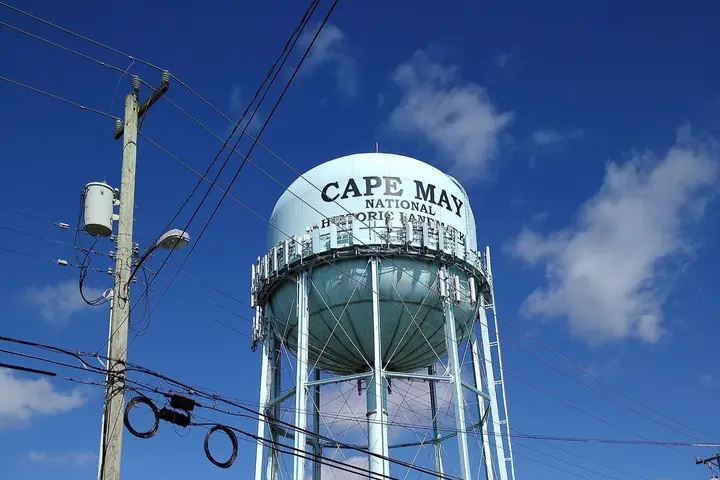
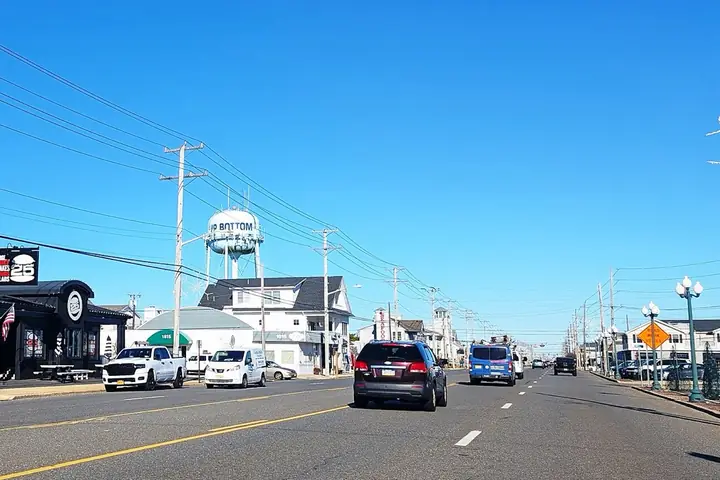 StoryOcean County's water comes from many suppliers and several different aquifers
Who supplies water in Ocean County changes from town to town, and on Long Beach Island from section to section.
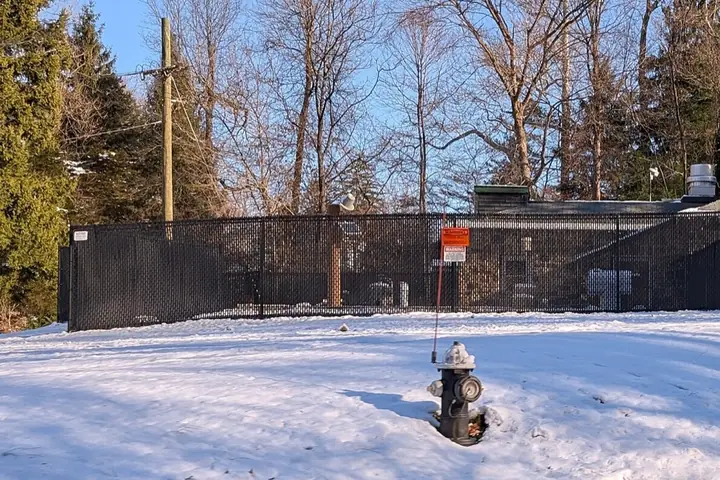 StoryWhen the utility's PFAS notice arrives, start with the limit it names
A PFAS notice from your utility should name the chemical and the limit involved, so find those first and follow its drinking instructions.
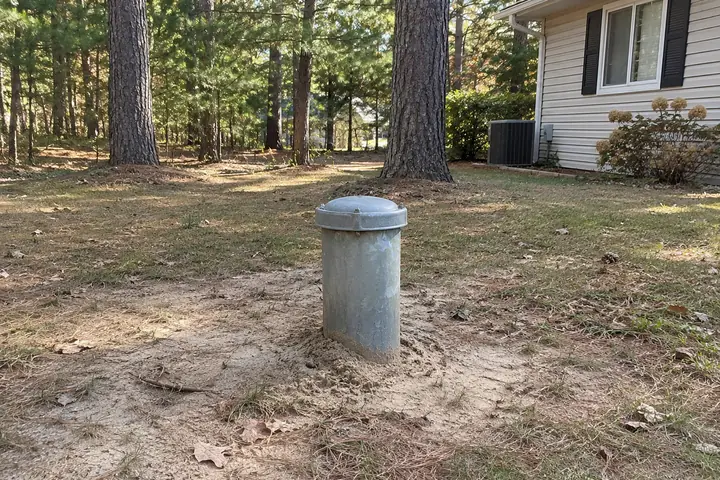 StoryGo on town water and you still have a well to deal with
Switching from a well to town water takes three separate decisions: whether a main reaches you, what becomes of the old well, and whether any well line stays.
- In briefYour water report is mostly one table, and it reads left to right
To read your annual water quality report, go straight to the results table and take each row left to right: the substance, the limit, what the year's tests found, whether there was...
- In briefThe letter about your service line comes from a 2021 state law
A lead service line notice comes from New Jersey's P.L.2021, c.183, which requires water systems to tell owners and tenants in writing what their service line is made of.
- In briefSomewhere near the curb, the water line becomes yours
The curb stop or meter pit is often where a water utility's responsibility ends and yours begins.